
HORSES · DONKEYS · MULES
Domestic Equines
Species-aware guidance for horses, donkeys and mules covering nutrition, hoof and dental care, metabolic health, prevention and emergencies.
Browse 31 species-specific guides ↓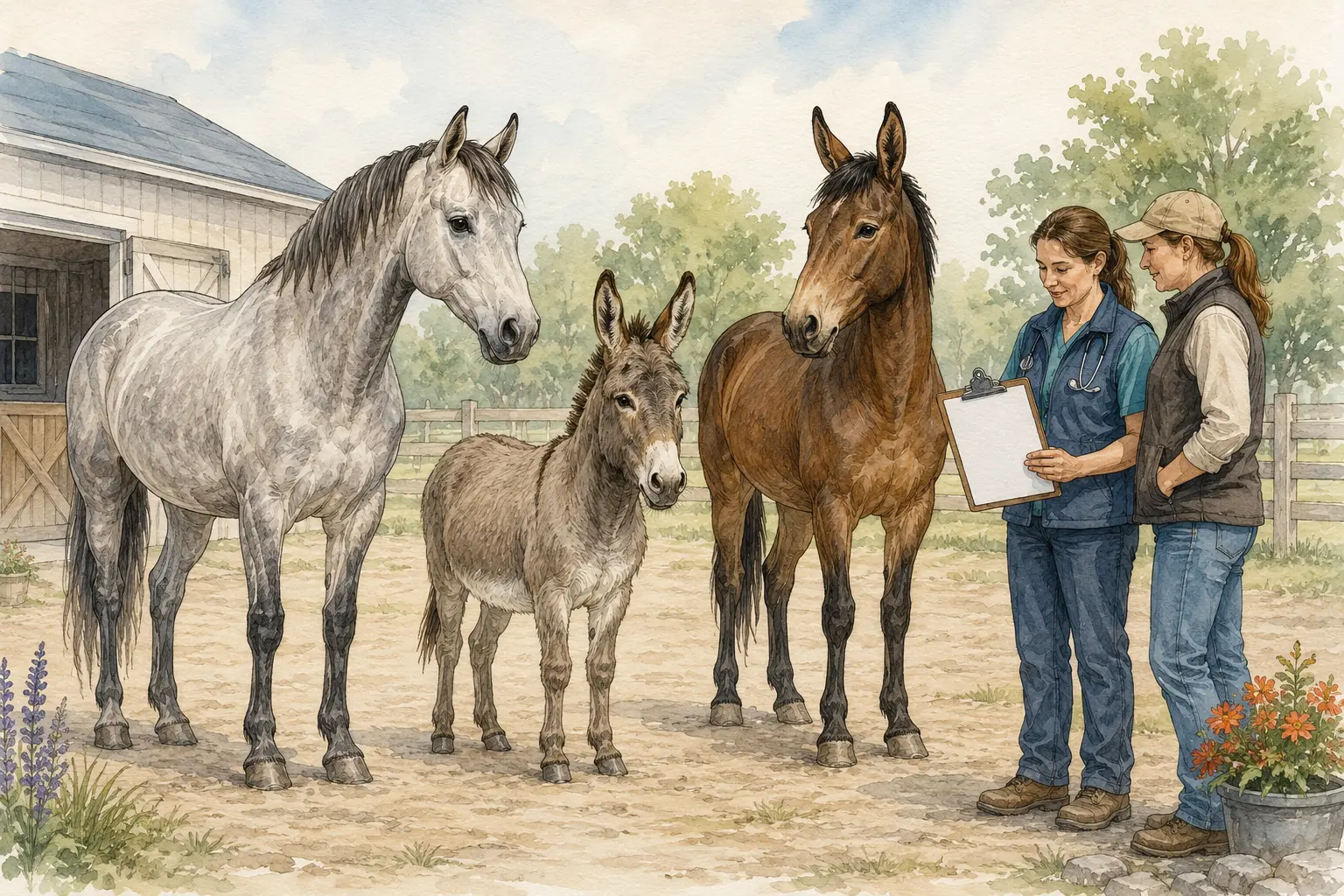
START WITH THE ESSENTIALS
Useful first steps for domestic equines.
BROWSE THE FULL COLLECTION
Domestic Equines health guides
Choose the topic that matches your question, then bring species-specific concerns to a veterinarian familiar with your animal.
Wellness & Prevention
Symptoms & Diseases
Donkey CareMetabolism, feet, pain & hyperlipemiaRead article →Recognizing Equine PainExpression, posture, movement & behaviorRead article →Metabolic Disease & LaminitisInsulin, pituitary disease & preventionRead article →Equine Recurrent UveitisEquine recurrent uveitis is repeated or persistent inflammation inside the eye. Episodes can damage vision even when the eye appears better between flare-ups.Read article →Anaplasmosis in EquinesEquine anaplasmosis is a tick-transmitted bacterial infection that affects certain white blood cells. It can produce fever and weakness but does not explain every positive exposure test.Read article →Lyme Disease in EquinesLyme disease is associated with infection by Borrelia bacteria transmitted by ticks. Horses can be exposed without becoming ill, so a positive antibody result is not proof that Lyme disease explains current signs.Read article →Hyperlipemia in Horses, Ponies, and DonkeysHyperlipemia is excessive fat in the blood during a severe energy shortage; fat can also accumulate in the liver. Donkeys, miniature horses and ponies are particularly vulnerable when they stop eating.Read article →Equine Infectious AnemiaEquine infectious anemia, or EIA, is a lifelong viral infection of equids. An infected animal can appear healthy while remaining a source of infection; confirmed cases involve animal-health authorities.Read article →Pastern Dermatitis (Scratches) in EquinesPastern dermatitis, often called scratches, is inflammation of skin around the lower limbs. It is a syndrome with several possible causes, rather than one infection with one standard cream.Read article →Colic in EquinesColic means abdominal pain, not one disease; some causes are mild while others require immediate surgery.Read article →Equine AsthmaChronic airway inflammation can cause cough, reduced performance and breathing effort, often influenced by dust exposure.Read article →Pituitary Pars Intermedia Dysfunction (PPID)PPID is a common endocrine disorder of older equines that may affect coat, muscle, immunity and laminitis risk.Read article →Equine Gastric Ulcer SyndromeStomach ulcer disease can contribute to poor appetite, behavior change and reduced performance, but these signs are not specific.Read article →LaminitisLaminitis is painful failure of tissues supporting the hoof and is an emergency even when lameness first appears mild.Read article →Strangles in HorsesStrangles is a contagious bacterial respiratory disease that commonly causes fever, nasal discharge and swollen lymph nodes.Read article →Equine Protozoal Myeloencephalitis (EPM)EPM is a neurologic disease caused by protozoal infection that can produce uneven weakness, incoordination or muscle loss.Read article →Choke (Esophageal Obstruction) in HorsesEquine choke is blockage of the esophagus—not the airway—but saliva and feed can enter the lungs, making it an urgent veterinary problem.Read article →Dental Disease in HorsesSharp enamel points, diseased teeth and uneven wear can cause pain, weight loss and poor chewing, especially as horses age.Read article →
Diagnostics
Procedures & Therapies
Dental cleaning and extractionsWhy complete dental assessment includes more than visible tartar, and how cleaning, imaging, and extractions fit together.Read article →Equine dental examination and floatingA practical guide to oral examinations, floating, and recovery for horses, donkeys, and mules.Read article →Equine joint injections and regenerative therapiesUnderstanding treatment goals, evidence limits, procedure risks, and rehabilitation before choosing an equine joint therapy.Read article →Humane euthanasia and end-of-life careMaking comfort-focused decisions, preparing for a professional euthanasia appointment, and arranging species-appropriate aftercare.Read article →Therapeutic nutrition across speciesUsing food as part of a medical plan while respecting species, life stage, disease, and the limits of diet labels.Read article →Laser Therapy (Photobiomodulation)Understand therapeutic laser treatment, where it may fit into a pain or rehabilitation plan, what the evidence can and cannot tell us, and how safety and response are monitored.Read article →
Emergencies
Horse CareNutrition, feet, prevention & emergenciesRead article →Domestic Equine Emergency SignsColic, choke, wounds, eyes & moreRead article →Colic Emergencies in Horses, Donkeys, and MulesRecognize abdominal pain, understand why mild signs can be serious, and prepare for farm treatment or urgent hospital referral.Read article →
Care recommendations are never one-species-fits-all.
This library provides educational information—not diagnosis, prescriptions or emergency triage. Husbandry, age, individual health, local conditions and medical history all influence the right plan. Contact a veterinarian familiar with the species whenever an animal seems ill or a question feels urgent.
Review emergency warning signs →